

Behind every reliable micro DC motor lies a carefully controlled manufacturing process. At TT MOTOR, we do not simply buy components and assemble them. We control every critical step, from winding the rotor to final performance testing. This article takes you inside our factory to show how we transform raw materials into precision motors that power smart locks, medical devices, robots, and automotive systems around the world.
1.Precision Winding: The Heart of the Motor
The process begins with the winding of the rotor coils. For our brushed iron‑core motors, we use fully automated winding machines that precisely layer copper wire onto laminated stacks. Each winding must achieve the exact number of turns, correct tension, and perfect layer alignment. Our machines monitor wire tension in real time and automatically stop if any deviation occurs. For coreless (hollow‑cup) motors, the winding process is even more delicate. A self‑supporting copper coil is wound into a cup shape without any iron core. The result is a lightweight, high‑efficiency rotor with zero cogging torque. Every batch of wound rotors passes a surge test to detect shorts or insulation weakness before moving to the next stage.
2.Gearbox Assembly: Precision Gears for Reliable Torque
Many of our motors include a planetary, spur, or worm gearbox. Gearbox assembly is performed in a clean environment to prevent contamination. Planetary gears made of hardened steel (module 0.15 to 0.6) are arranged in carriers with needle bearings. Each gear is inspected for tooth profile and surface finish using optical measurement tools. The gearbox housing is machined to tight tolerances so that the gears mesh with minimal backlash. After assembly, every gearbox is run‑in for several minutes to allow the gears to settle, then measured for output speed and noise level. A noisy gearbox is automatically rejected. Our worm gearboxes, such as the TWG2534 series, receive additional lubrication with high‑viscosity grease to ensure self‑locking performance and long life.
3.Final Assembly and Soldering
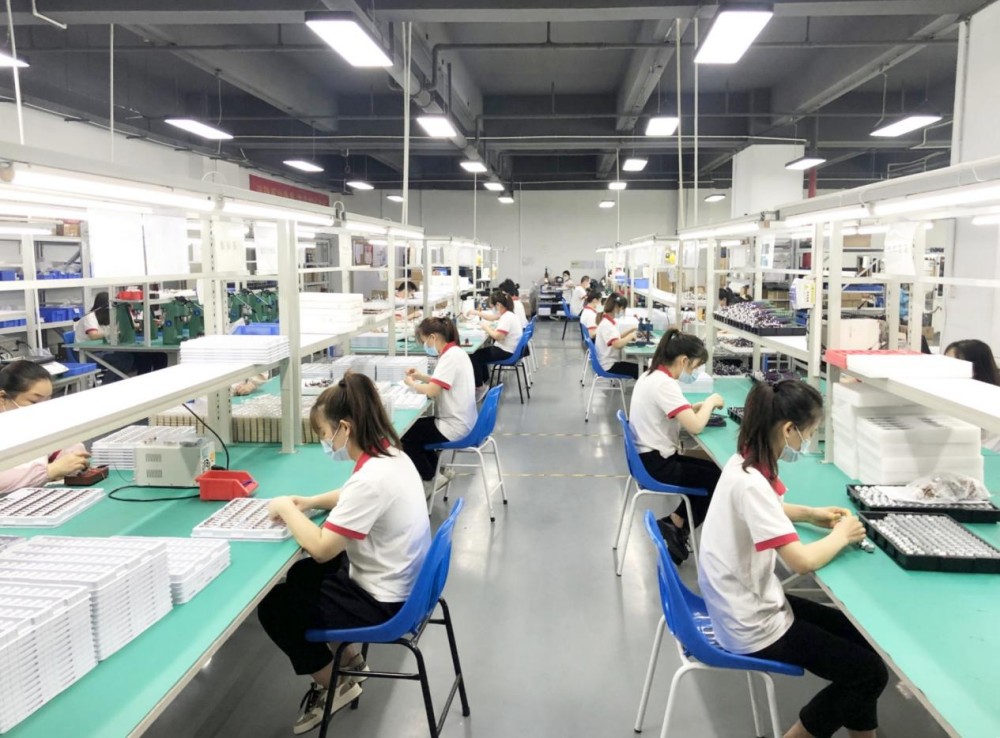
The rotor, magnets, brushes, and gearbox are brought together in final assembly. For brushed motors, the brush holder with precious metal or carbon brushes is carefully aligned with the commutator. We use automated pick‑and‑place machines to insert the rotor into the housing, followed by crimping or screw fastening. Wires are soldered to the terminals using temperature‑controlled soldering stations to avoid cold joints. Each motor then receives its label with a unique code that traces back to individual production data.
4.In-Process and Final Testing
Quality is not inspected in – it is built in. However, we still perform 100% testing on every motor before it leaves the factory. The testing station automatically measures no‑load speed, no‑load current, rated load speed, rated load current, and stall torque. For brushless motors, we also verify Hall sensor signals and commutation sequence. Noise and vibration are measured in a semi‑anechoic chamber for representative samples. Any motor that fails any parameter is flagged for rework or scrapped. We retain test records for each batch, allowing full traceability. In addition to routine testing, we conduct life tests (1000 hours continuous running at rated load) and environmental tests on sample units from each production lot.
Post time: Jun-18-2026